The Growing Desire for Genuine & Authentic: A Valid Result
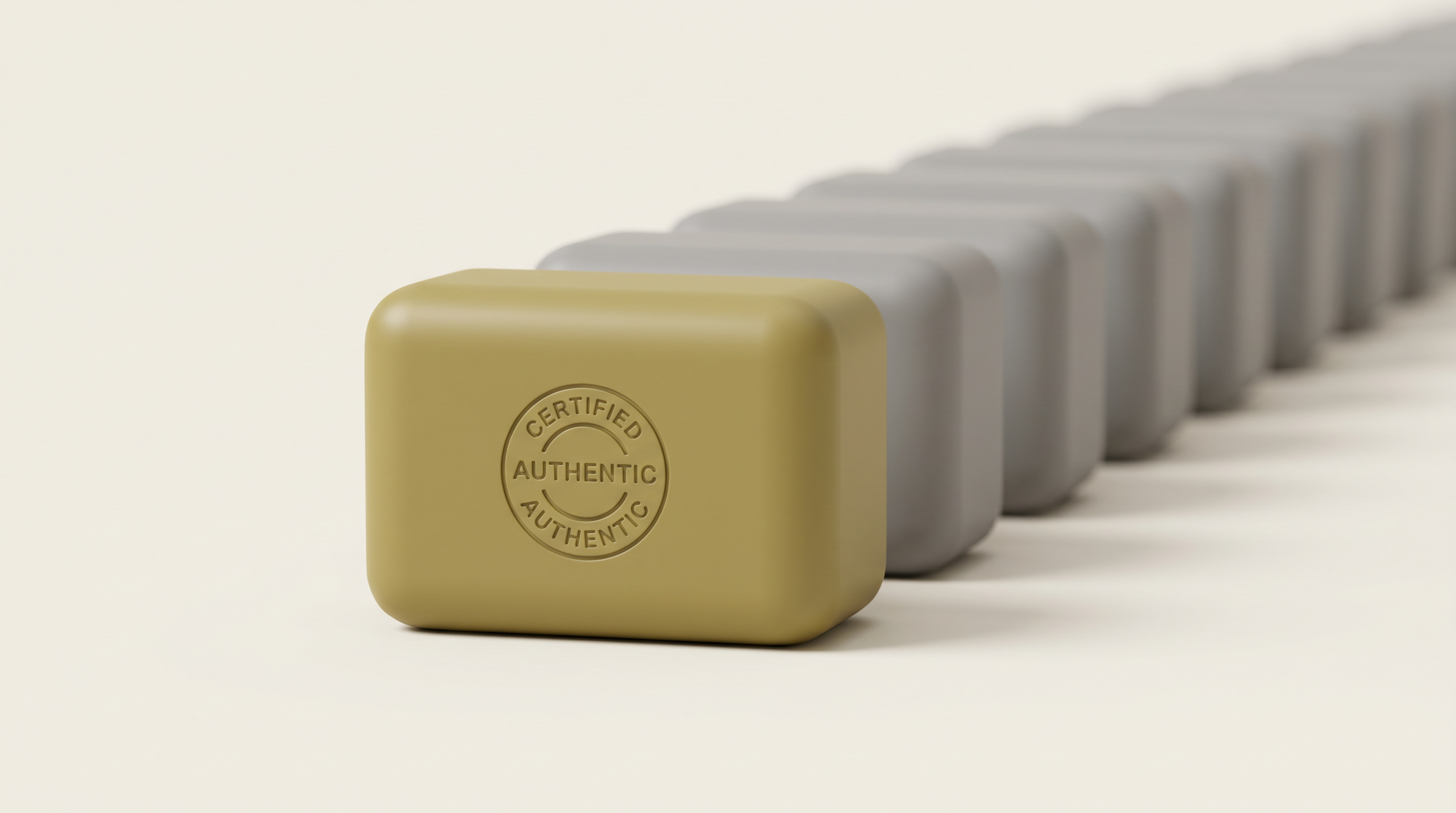
"Genuine" and "authentic" have always carried a price premium. We pay more for the original than the copy, the hand-made over the mass-produced, the verified account over the anonymous one, because those words are shorthand for something we trust: real provenance, real craft, a real source standing behind the thing. The value was never only in the object; it was in the confidence that it is what it claims to be.
That confidence is now under pressure. As AI-generated emulation proliferates across visual and written formats, the simple question "is this real?" is becoming genuinely hard to answer at scale. An image, a voice, a document, a citation: any of them can now be produced convincingly by a machine, and the human eye and ear can no longer reliably tell. This is, at root, a crisis not of technology but of trust. For individual users and for whole populations, the ground that "genuine" once stood on is shifting.
It helps to see the stakes as a ladder, because they are not the same at every rung. At the bottom, AI-created content is not a problem at all; it is a thriving business in its own right. Entertainment, art, design and creative work made with or by AI are an established and growing market, and rightly so; nobody needs a fabricated film scene or a generated illustration to be "real". Verification there is irrelevant.
Climb a rung, into information, and it starts to matter. When AI-written content shapes what people believe, a fabricated image that moves a market before anyone checks it, a synthetic quote attributed to a real person, the absence of verification becomes a cost. Here, "is this real?" stops being academic.
At the top of the ladder sit the high-trust domains: medical diagnosis, finance, law, anything where a person acts on the output as if their wellbeing depends on it, because it does. An AI medical summary that confidently cites a study that was never written, a synthetic voice authorising a transfer that the account holder never made: at this level, verification is no longer a nice-to-have or even a requirement. It is crucial. The same capability that is harmless in entertainment becomes dangerous the moment a life or a livelihood rests on it.
This is why we believe a new business genre is not just likely but inevitable: an industry whose product is verification itself, filtering and confirming the authenticity and trustworthiness of products, services and information systems. There are many forms it could take, but they will share one foundation. The key to validating anything is access to its origin. Provenance, the ability to trace an element back to a source you can stand behind, and to follow the chain from there to here, is what makes verification possible. Without a traceable origin, "authentic" is just a claim; with one, it becomes a result you can prove.
None of this is anti-AI. The point is not to eliminate AI-generated content; that content is valuable, and the market for it will keep growing. The point is that an economy producing emulation at this scale must, in parallel, grow the means to verify it. The two have to advance together. A verification industry is not a brake on AI; it is the other half of the same system, the cornerstone of a workable, trustworthy relationship between people and the machines they increasingly rely on.
Related reading: this trust layer is the natural companion to the human and machine balance we set out in The Carbon and Silicon Balance. And as an emerging market, verification fits the pattern we describe in Micro, Mega & Macro Trends.